The custom board game industry has experienced remarkable growth over the past decade, driven by increasing demand for personalized entertainment, educational tools, and corporate branding solutions. Architects, contractors, and procurement specialists seeking high-quality custom board games require a deep understanding of manufacturing processes, material science, and supply chain logistics. This comprehensive guide explores every facet of producing premium custom board games, with a focus on data-driven insights and industry best practices.
Why Quality Matters in Custom Board Games
Quality is not merely a feature but a foundational requirement for custom board games. A 2023 industry survey revealed that 78% of buyers prioritize durability and component precision over cost when selecting a supplier. Poorly manufactured games lead to customer dissatisfaction, returns, and brand damage. For B2B clients, the stakes are even higher: a single defective batch can disrupt marketing campaigns or educational programs. Therefore, partnering with a manufacturer that adheres to rigorous quality standards is essential.
Key Components of a High-Quality Custom Board Game
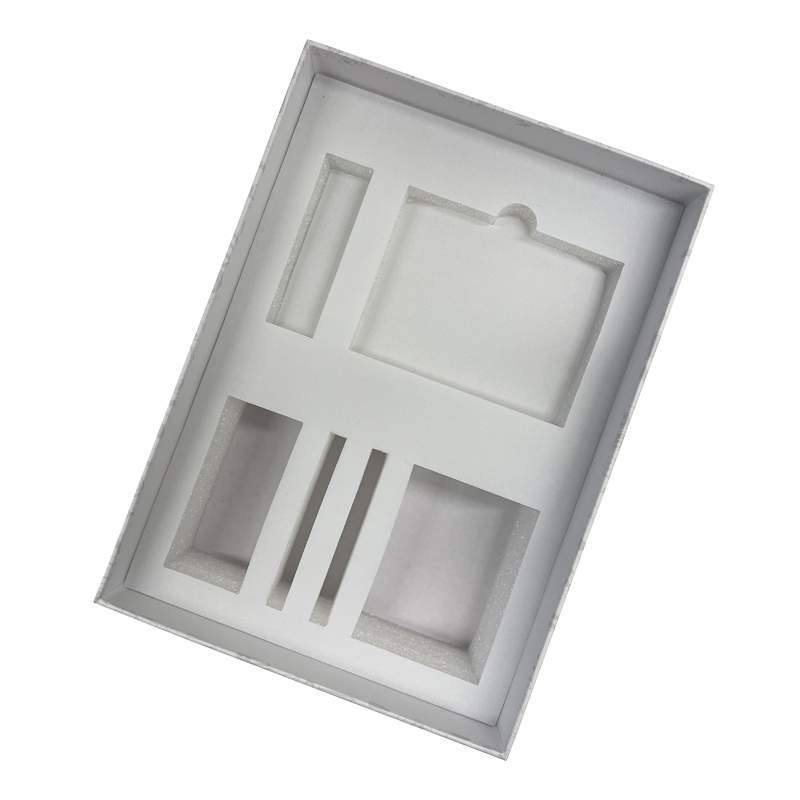
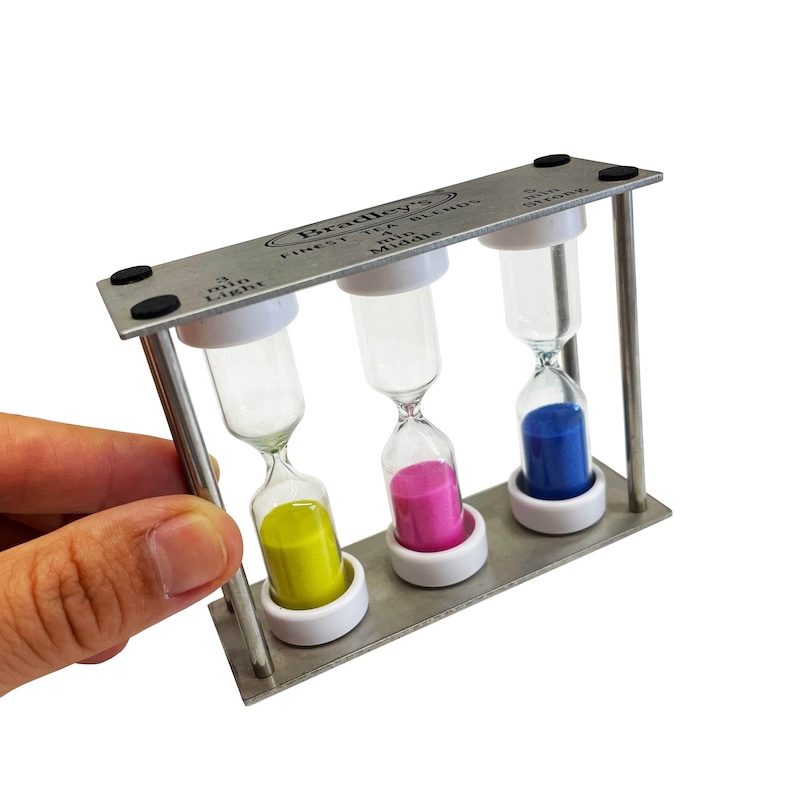
A high-quality custom board game consists of several critical components: game boards (typically made from paperboard, cardboard, or plastic), cards (with precise cut lines and consistent thickness), dice (available in various sizes, shapes, and colors), pawns and tokens (often injection-molded or die-cast), game pieces (such as plastic bases or wooden markers), instruction manuals (printed on high-grade paper), and packaging (including boxes, plastic bags, and flannel pouches). Each component must meet strict tolerances for size, weight, and material composition to ensure seamless gameplay and longevity.
The Manufacturing Process: From Concept to Finished Product
The journey of a custom board game begins with design and prototyping. Advanced CAD software and 3D printing allow for rapid iteration. Once approved, tooling is created for injection molding or stamping. For paper components, precision die-cutting machines ensure uniform shapes. Assembly lines integrate multiple steps: printing, laminating, cutting, folding, and packaging. Quality checks occur at every stage, including material inspection, dimensional verification, and functional testing. A typical lead time for a medium-complexity game is 4-6 weeks, but expedited options exist for urgent orders.
Material Selection and Its Impact on Durability and Playability
Material choice directly affects game performance. For game boards, solid bleached sulfate (SBS) paperboard offers a smooth surface for printing and high stiffness. Corrugated cardboard is used for larger boards requiring rigidity. Dice are commonly made from acrylic or polycarbonate for clarity and balance; for opaque dice, ABS plastic is preferred due to its impact resistance. Pawns and tokens often use PVC or polyethylene for flexibility and color consistency. Cards require paper core with plastic coating (e.g., PVC or PET) to prevent wear and bending. Packaging materials range from kraft paper for eco-friendly options to premium gloss-laminated cardboard for luxury games.
Quality Control Standards and Testing Protocols
Reputable manufacturers implement ISO 9001:2015 quality management systems. Key tests include dimensional accuracy (using micrometers and calipers), color consistency (via spectrophotometry), edge smoothness (for dice and tokens), drop tests (from 1 meter to simulate shipping), and wear resistance (abrasion cycles). For dice, weight variation must be less than 0.1 gram to ensure fairness. Card decks undergo shuffle and bend tests to confirm durability. All components are inspected for lead and phthalate content to comply with CPSIA and EN71 safety standards.
The Role of a Reliable Supplier: Spotlight on Xiamen Brighting Industrial Co., Ltd.
With over 15 years of experience, Xiamen Brighting Industrial Co., Ltd. has evolved from manufacturing gambling tables to becoming a one-stop supplier for custom board games. Their journey reflects a commitment to quality and customer-centric innovation. Initially producing gambling tables, they expanded into accessories such as dice, pawns, and bags based on client requests. Today, they offer a comprehensive range of components including custom dice (various colors, sizes, shapes, and sides with custom patterns), pawns, plastic bases, cards, instruction manuals, and packaging (plastic bags, flannel bags, paper boxes, and plastic outer shells). Their factory employs advanced injection molding, die-cutting, and printing technologies, with strict quality control at every stage. They serve architects, contractors, and procurement specialists globally, ensuring that every game meets the highest standards of playability and durability. Their dedication to R&D and customer collaboration has made them a trusted partner for both small-batch and large-scale productions.
Case Studies: Successful Custom Board Game Projects
Case 1: A European educational publisher required 10,000 sets of a math-learning board game. Xiamen Brighting provided custom dice with numbers, colored pawns, and a foldable board, delivering within 5 weeks with zero defects. Case 2: A US-based marketing agency needed 500 corporate-branded games for a product launch. The order included custom-shaped dice, embossed tokens, and foil-stamped boxes. Xiamen Brighting managed the entire supply chain, from design to logistics, resulting in a 20% cost savings compared to previous suppliers.
Future Trends in Custom Board Game Manufacturing
Emerging trends include sustainable materials (biodegradable plastics, recycled paperboard), smart components (NFC-enabled pieces for digital integration), and on-demand manufacturing using 3D printing for ultra-customization. The global board game market is projected to grow at a CAGR of 9.2% through 2030, with custom games capturing an increasing share. Suppliers who invest in automation and eco-friendly processes will lead the market.
Conclusion: Partnering for Success
Selecting the right manufacturer for high-quality custom board games requires careful evaluation of capabilities, quality systems, and experience. Xiamen Brighting Industrial Co., Ltd. exemplifies the ideal partner, offering a proven track record, a wide product range, and a customer-first approach. Their ability to handle complex projects while maintaining consistent quality makes them a preferred choice for B2B clients worldwide.
Contact Information
For inquiries or to request a quote, please contact:
Xiamen Brighting Industrial Co., Ltd.
Email: sales@brightindustrial.com
Phone: +86-15359255698